Migori County, Kenya
Water Room Dedication and Celebration
PN 24-008
March 16th – Arrival and First Visits in Western Kenya
After arriving in Nairobi the previous evening, the Agua Viva International (AVI) team began their first full day in Kenya early on March 16th. The group departed Nairobi on a short morning flight to Kisumu, a key hub in western Kenya located along Lake Victoria. Upon arrival, they were welcomed by AVI’s in-country team, including Mbaja, Kennedy, and their driver, Rogers.
From the airport, the team immediately began field visits, traveling to Kapkamech to observe an existing water purification system. The visit confirmed that the system was operating successfully and continuing to provide clean water to local families and children. Community members demonstrated strong ownership of the system, ensuring its continued functionality.
Later in the day, the team traveled to Kakamega to deliver additional supplies and follow up on another AVI-supported system. Similar to Kapkamech, the system in Kakamega was actively producing clean water and serving the community effectively. These early visits reinforced the sustainability of AVI’s model and the importance of local leadership.
The day concluded with the team returning to Kisumu, where they regrouped and prepared for the upcoming installation in Ndhiwa.
March 17th – Travel to Ndhiwa and community Engagement
On March 17th, the AVI team traveled from Kisumu to Ndhiwa, continuing their journey deeper into western Kenya. Along the way, they stopped for lunch near Lake Victoria before meeting Wilson, a member of the in-country team who would play a key role in leading the upcoming system installation.
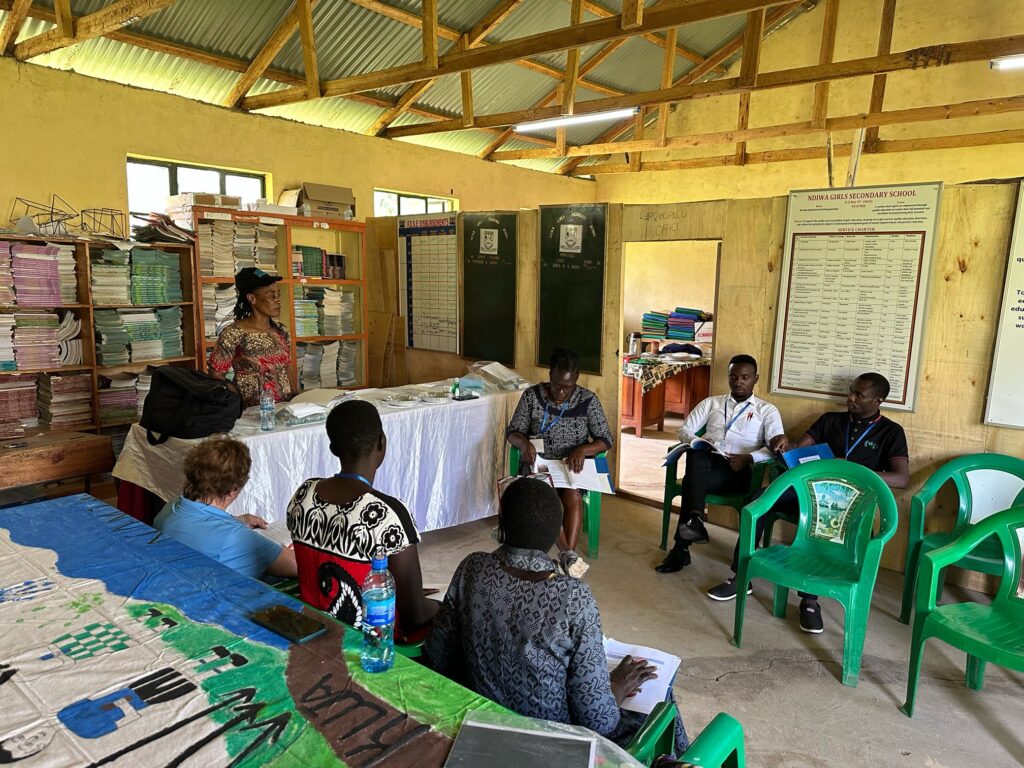
Upon arrival in Ndhiwa, the team visited a local girls school where the next water purification system would be constructed. They met with the school’s principal and were introduced to Constantine, who will serve as the operator of the new system once installation is complete. Supplies for the project were delivered to the site, marking the beginning of the setup process.
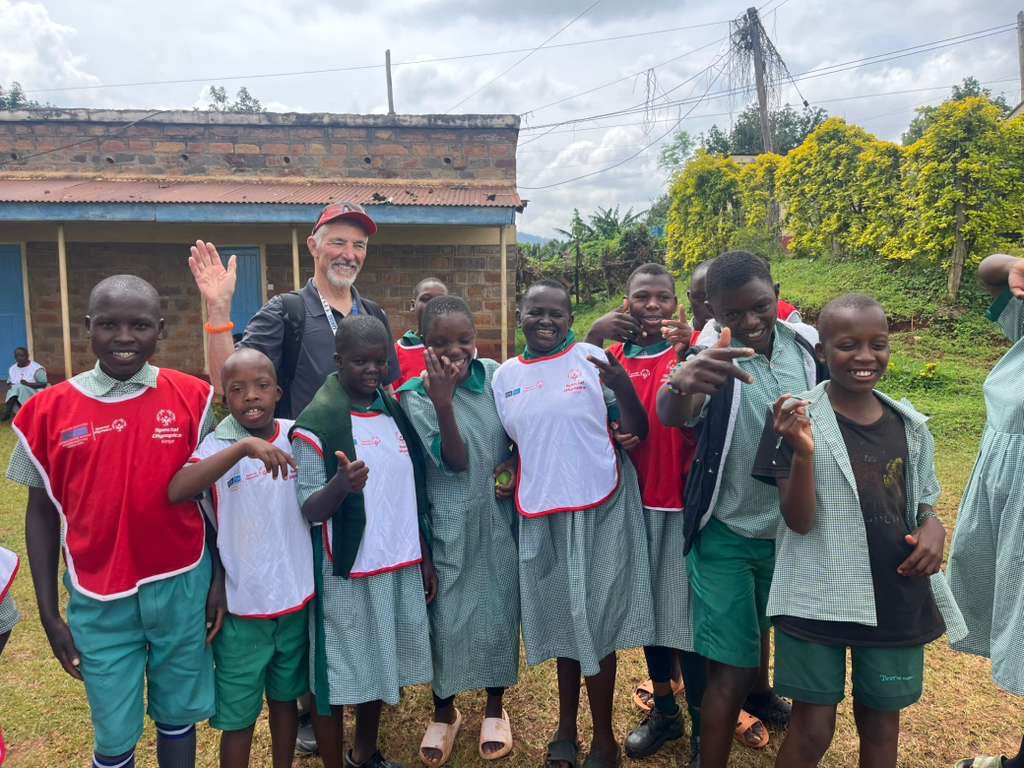
In addition to logistical preparations, the visit also provided an opportunity to connect with students. Some team members engaged with the girls through informal activities, including a soccer game, helping build rapport and trust within the school community.
The day focused on preparation, coordination, and relationship-building ahead of the construction phase.
March 18th – Beginning System Construction
On March 18th, the AVI team began construction of the water purification system at the Ndhiwa school. Working alongside in-country team members, the group focused on establishing the foundational components necessary for the system to operate.
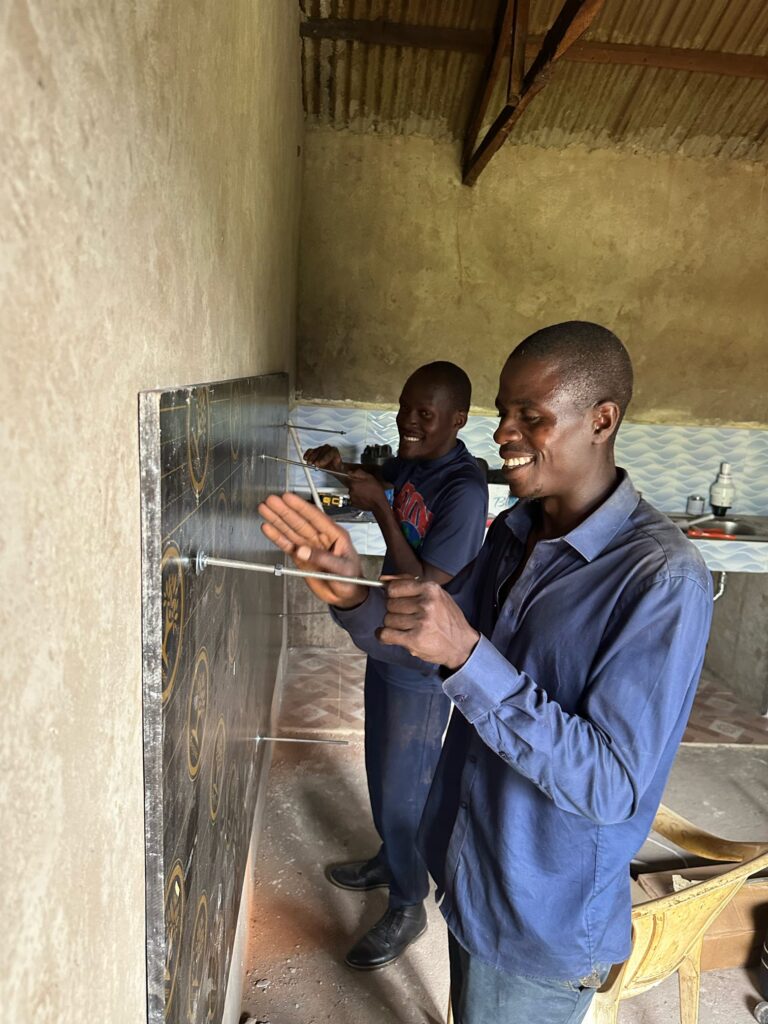
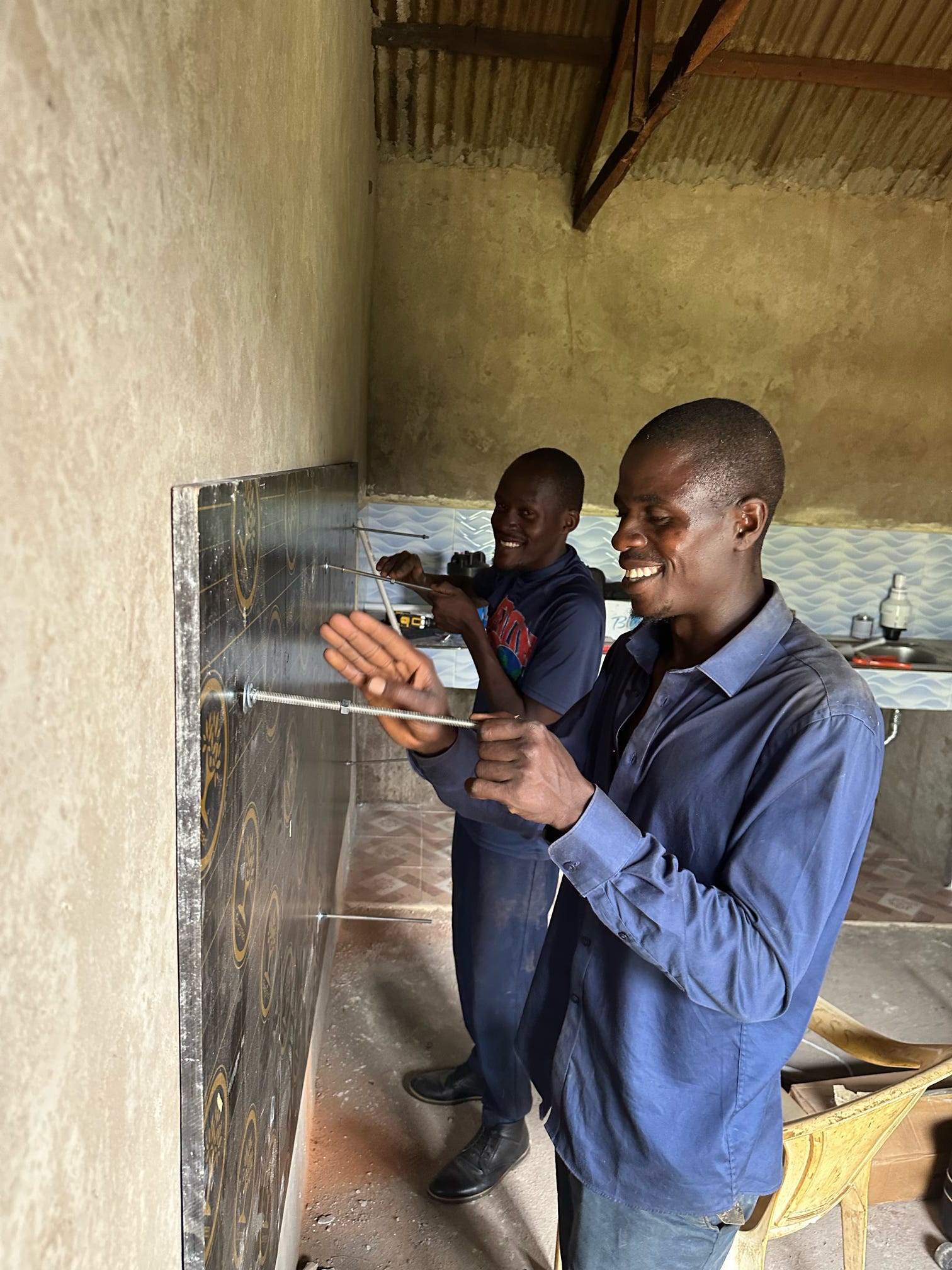
Initial efforts included setting up electrical connections, assembling piping for the reverse osmosis system, and mounting the main control board onto the wall. These steps were critical in forming the structural and technical base of the purification system.
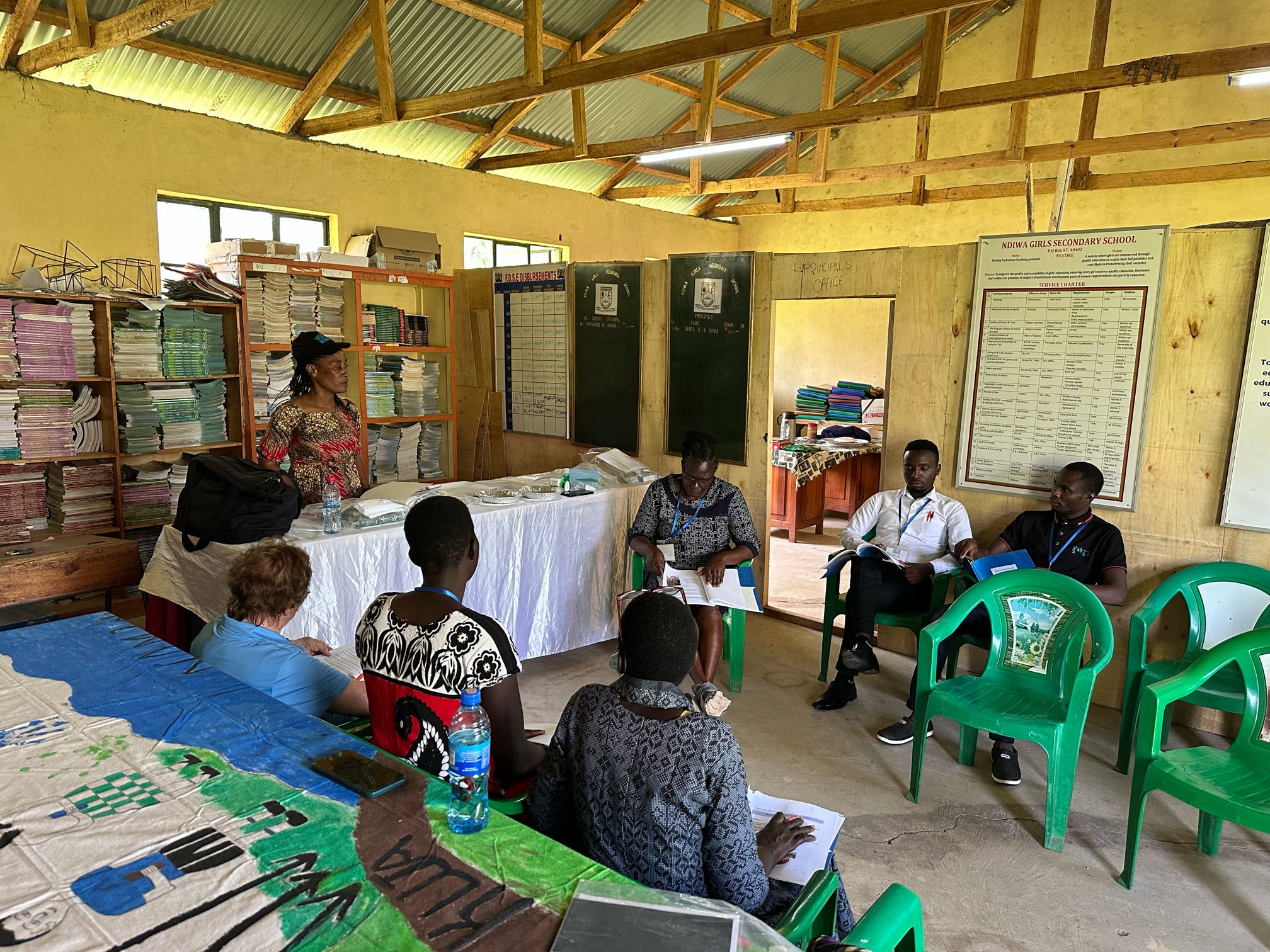
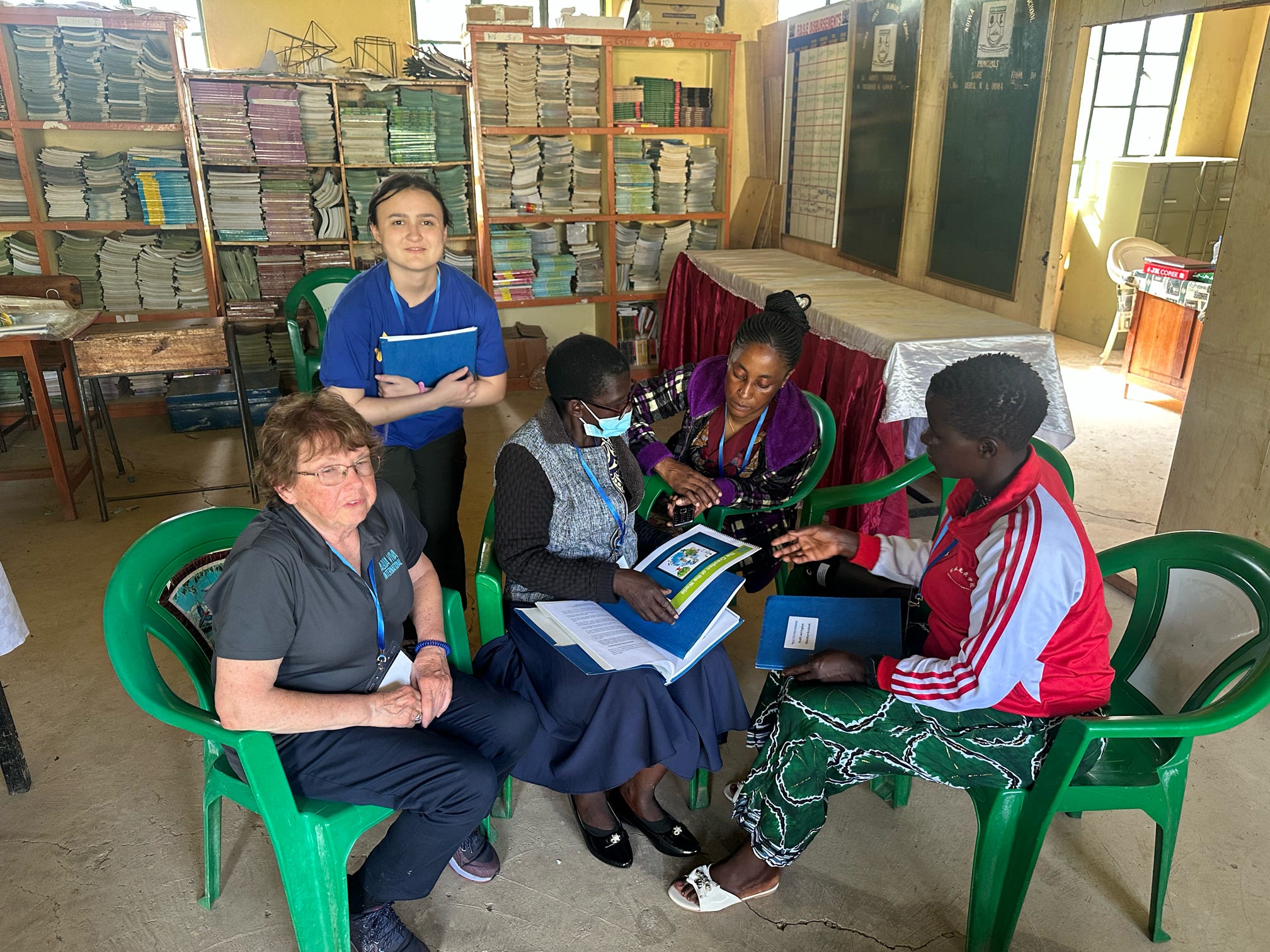
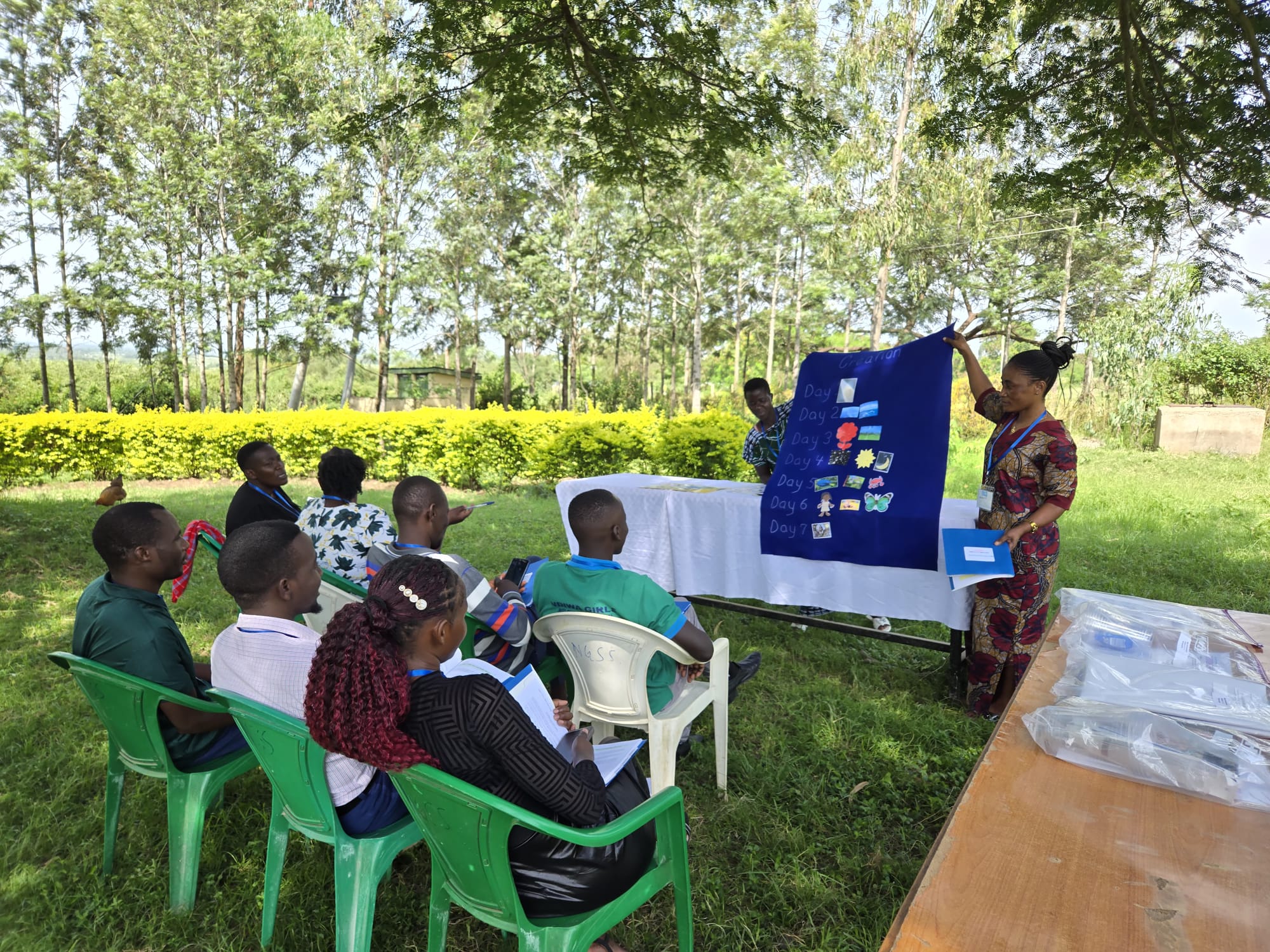
At the same time, a portion of the team worked with teachers and in-country partners to begin developing an education plan. This initiative is designed to ensure that students and staff understand how to use, maintain, and benefit from the system over the long term.
The day marked a significant transition from planning to active implementation.
March 18th – Stewardship Visit: Sindo School
On March 18th, AVI conducted a stewardship visit to Sindo School to follow up on the status of its water purification system and ongoing operations.
The visit highlighted the impact that external infrastructure factors, such as electricity reliability, can have on system usage. While these conditions occasionally affect consistency, the school continues to utilize the system whenever power is available, producing clean water for students and the surrounding community.
The local leadership team, led by Kennedy, remains actively engaged in managing the system and supporting its operation. When conditions allow, the school is also able to distribute and sell water, contributing to both access and sustainability.
AVI will continue working with the community to support consistent usage and identify ways to strengthen long-term system reliability.
March 19th – Continued Progress and System Development
Construction continued on March 19th as the AVI team made further progress on the water purification system. The day included a trip to Sori to collect additional supplies needed to complete key components of the installation.
Back at the site, the team worked on installing external water storage barrels, advancing the electrical setup, and continuing the piping required for the reverse osmosis system. Each component brought the system closer to full functionality.
The work required coordination between all team members, including U.S. volunteers and in-country staff, with each group contributing to different aspects of the build. The steady progress demonstrated the effectiveness of this collaborative approach.
By the end of the day, the system was nearing completion, setting the stage for final steps and community handover.
March 20th – Stewardship Visit: Kissii Special School
On March 20th, the AVI team visited Kisii Special School, a community that serves students with special needs and relies on access to clean water as a critical component of daily care.
The water purification system is currently being used to provide safe drinking water for students, supporting both health and well-being. A local team of operators is in place to manage the system and ensure its continued function.
During the visit, AVI identified opportunities to further strengthen system usage and maximize its impact through continued training and support. These efforts are especially important in environments where consistent access to clean water plays a vital role in supporting vulnerable populations.
The visit emphasized AVI’s ongoing commitment to not only installing systems, but also ensuring they are effectively used and sustained over time through partnership and education.
March 22nd – Celebration and Community Handover
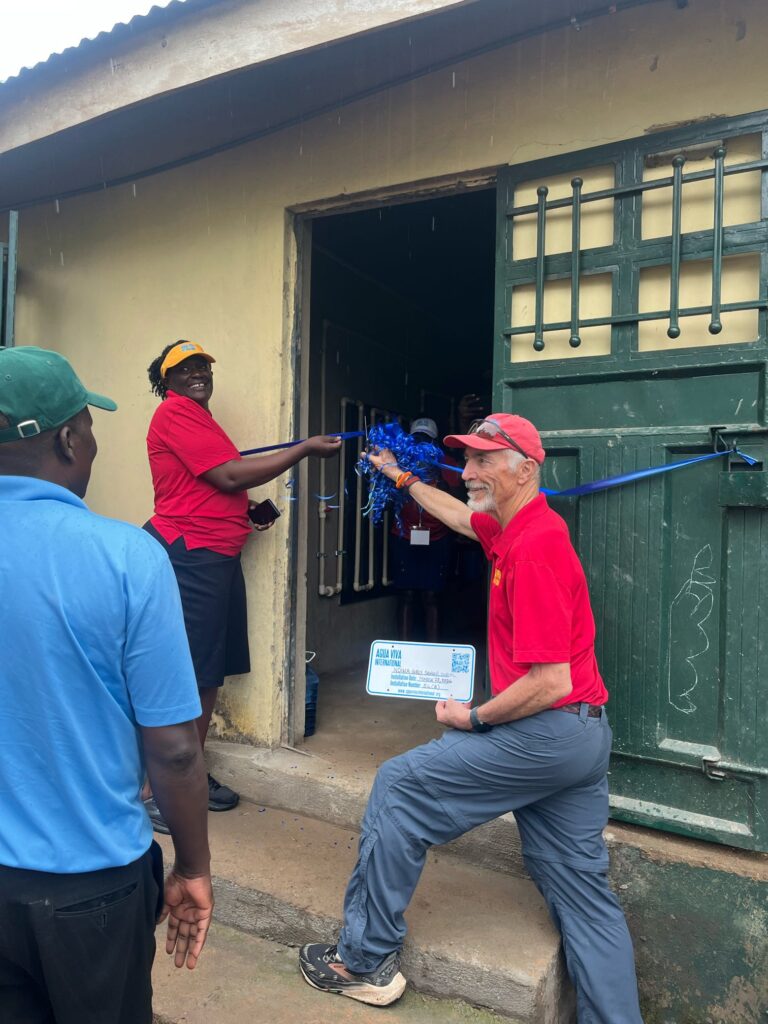
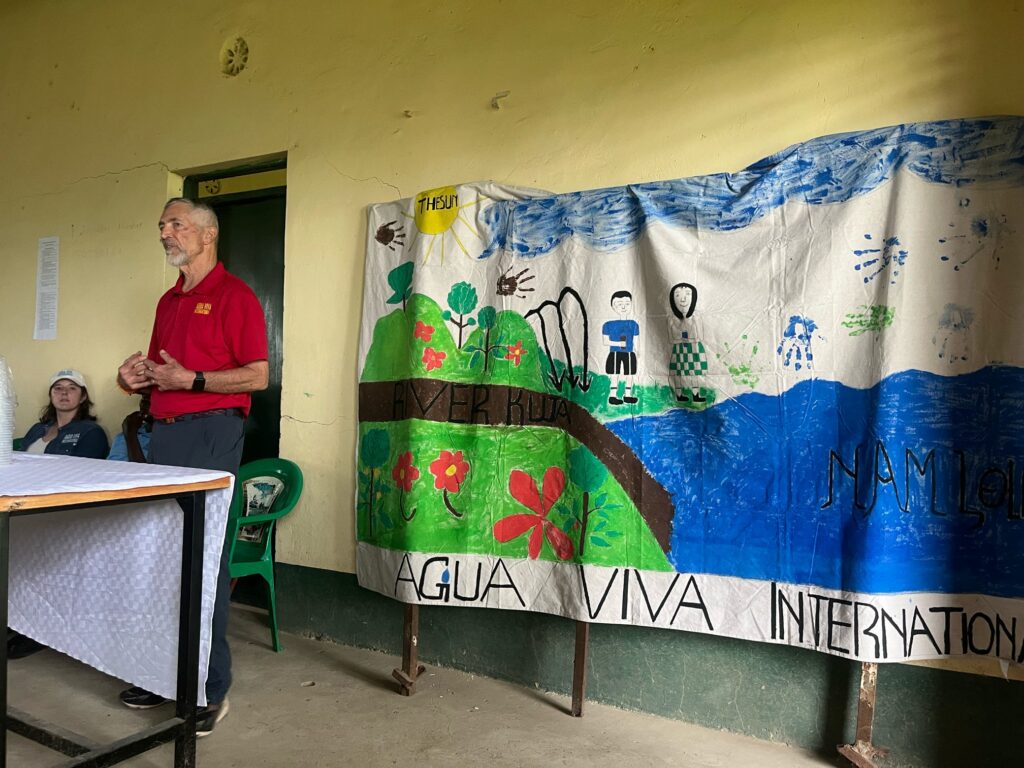
On March 22nd, the AVI team and the Ndhiwa community came together to celebrate the completion of the water purification system. The event marked the beginning of long-term access to clean water for the school and surrounding community.
The celebration included a shared meal featuring local foods such as chicken, ugali, chapati, and fish. Community members, students, and team members gathered to recognize the collective effort that made the project possible.
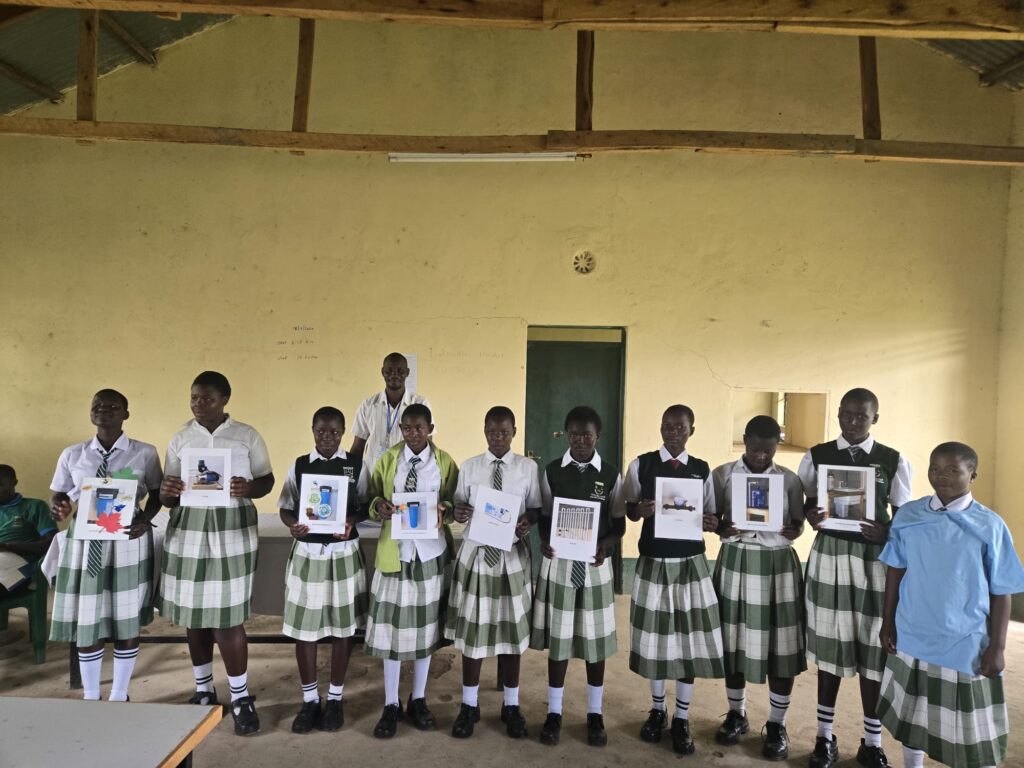
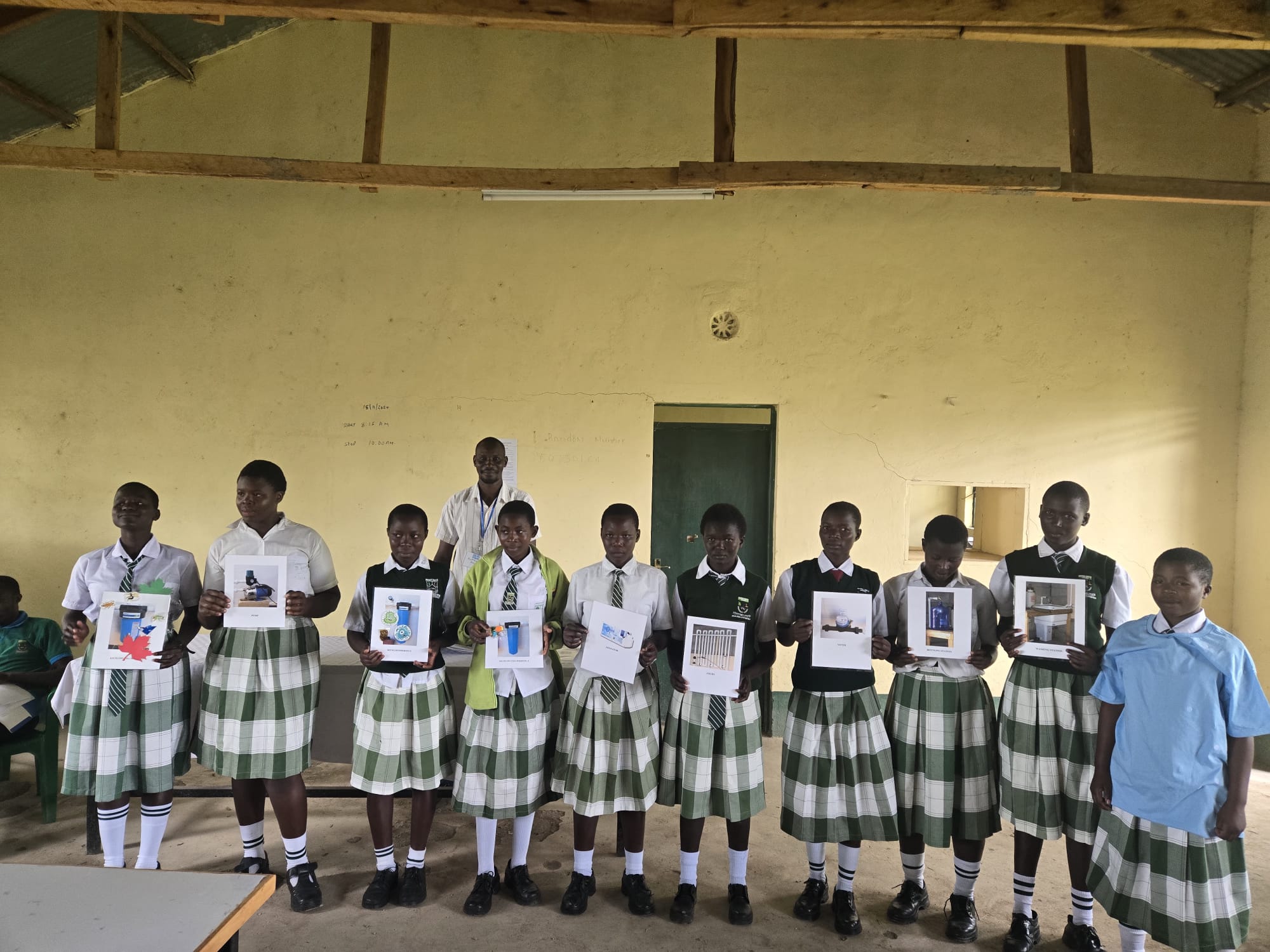
Certificates were presented to individuals who played key roles in both the construction of the system and the development of the education plan. Students also performed a skit depicting the parting of the Red Sea, adding a meaningful and cultural element to the event.
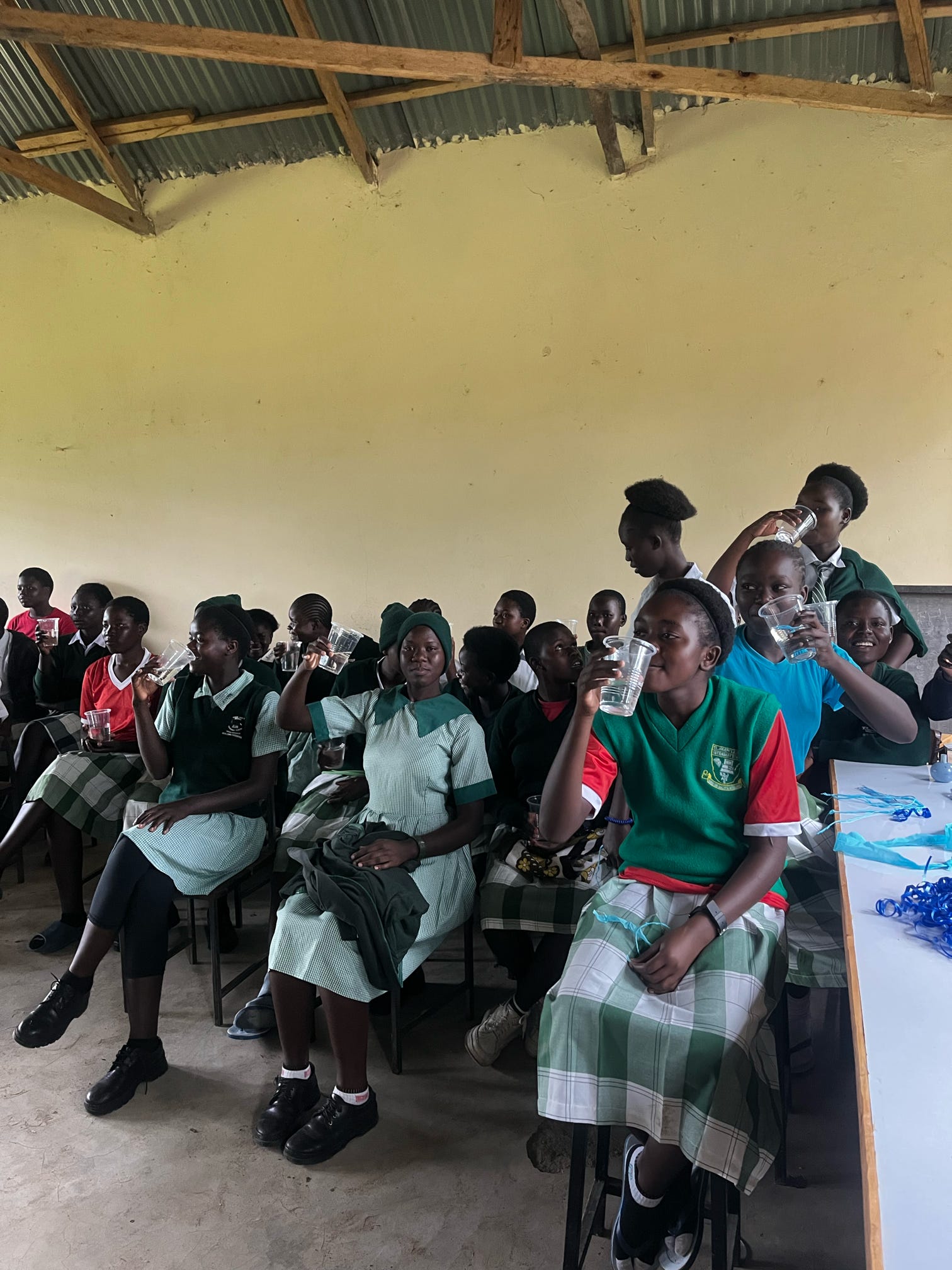
Throughout the celebration, community members expressed their gratitude for the new system and the opportunities it will create. The event concluded with a toast to clean water and time spent taking photos together, capturing the significance of the moment.
This day represented more than a project. It marked a transition of ownership to the community and the start of a sustainable future supported by access to clean water.
March 24th – Stewardship Visit: Magu, Tanzania
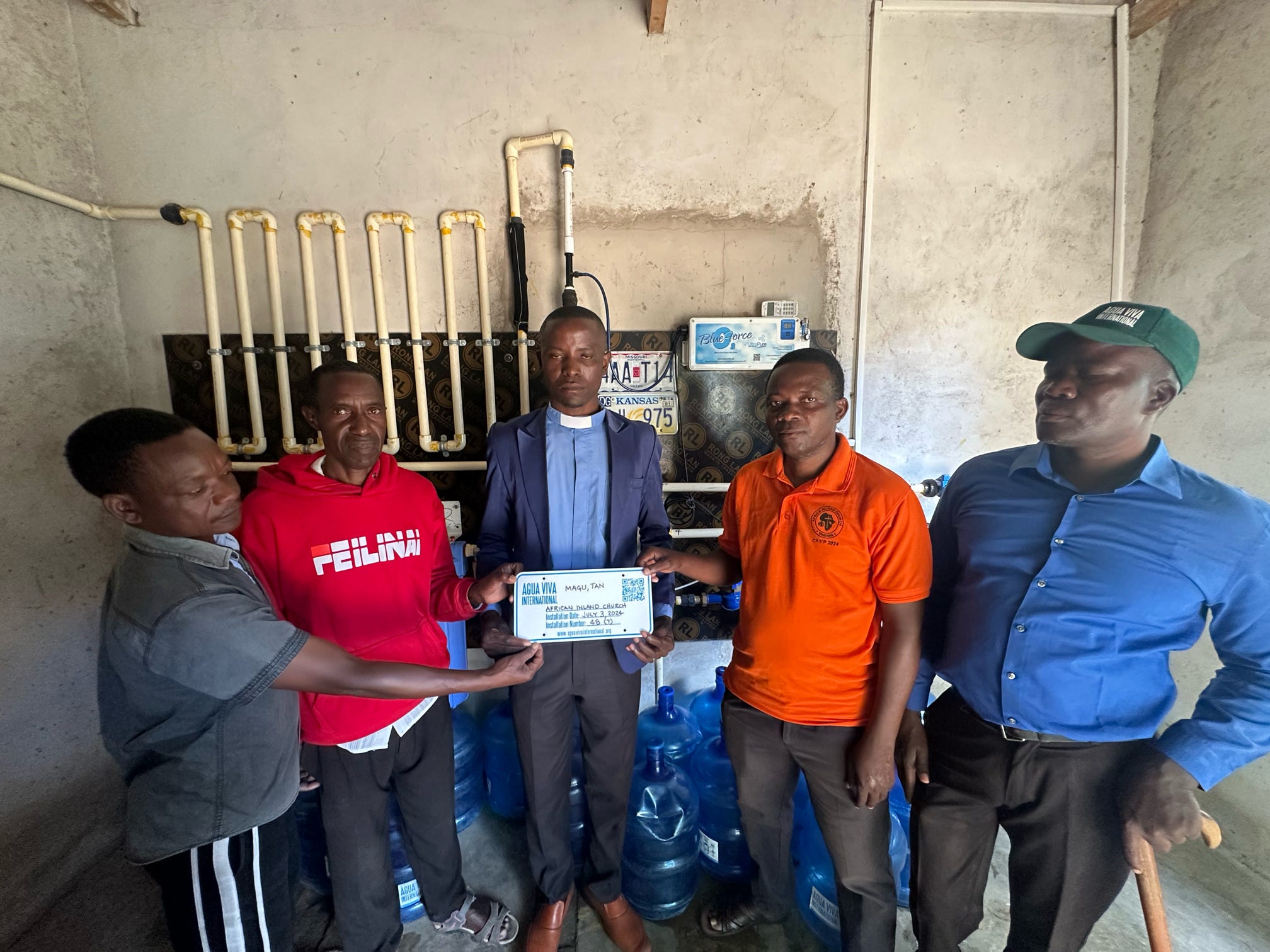
On March 24th, the Agua Viva International (AVI) team traveled to Magu to conduct a stewardship visit at a local church that has become a central hub for clean water access in the surrounding community.
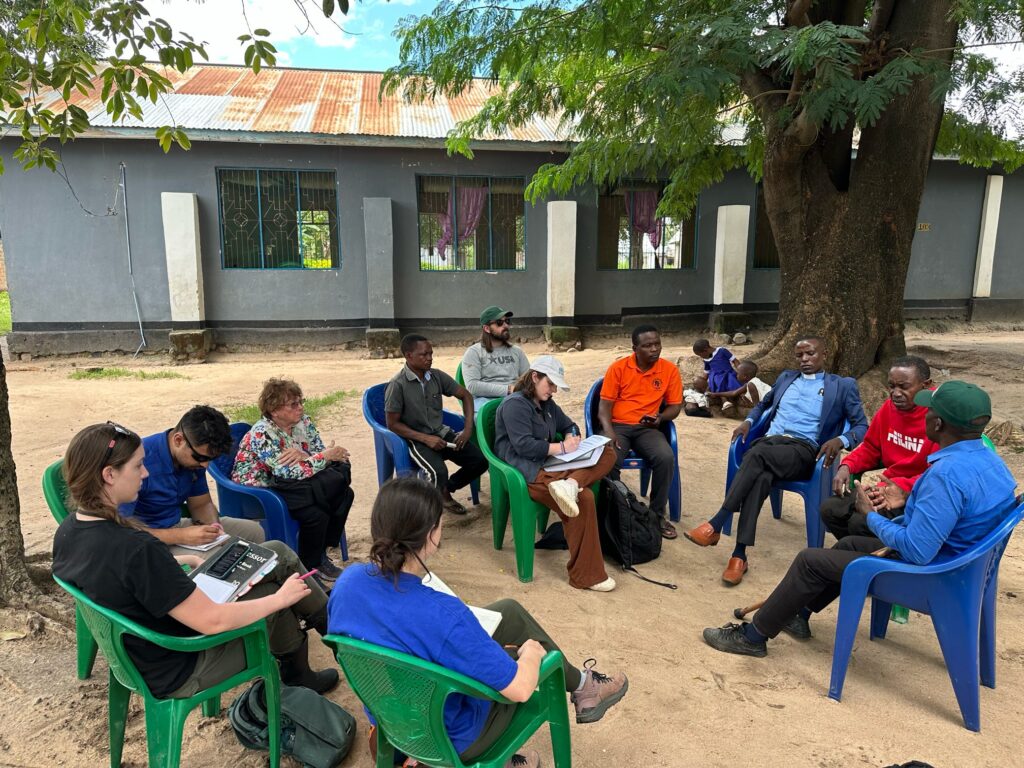
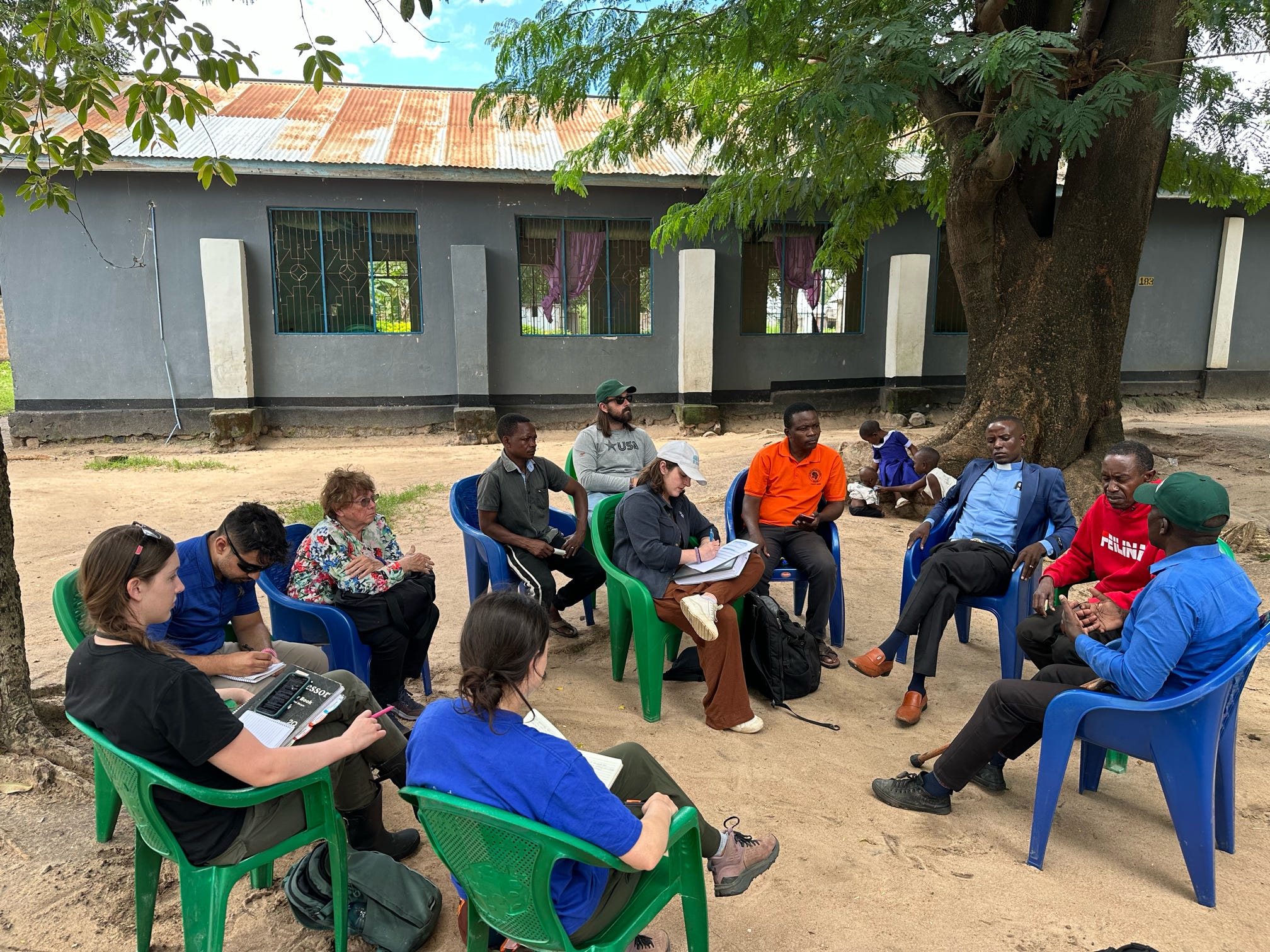
During the visit, the team met with the church’s pastor, who has taken a leading role in managing and expanding access to clean water. Through his leadership, the system has been used to serve not only members of the congregation but also the broader community, reinforcing the church’s role as a trusted and accessible resource.
The pastor shared his vision of continuing to expand clean water access to additional communities in the region. His commitment reflects the broader impact of AVI’s model, where local leaders take ownership of systems and actively seek opportunities to extend their reach.
The visit highlighted the importance of strong, community-driven leadership in sustaining and growing access to clean water. With motivated partners on the ground, sites like Magu have the potential to serve as a foundation for future expansion and long-term impact across surrounding areas.